Category: All About Guns
If you or someone you know is in crisis, call the National Suicide Prevention Lifeline at 1-800-273-8255 or text HOME to the Crisis Text Line at 741741.
When Russell and Sharis Lewis want to unwind, they pack up their guns and drive from their home in a suburb north of St. Louis to an indoor range called the SharpShooter on the city’s south side.
Russell dons big protective headphones, carefully lays out his firearms, and selects a Panzer Arms M4 12-gauge semiautomatic shotgun. He takes aim at paper targets, including one labeled “snowflakes,” and squeezes the trigger.
“It’s just something about the power and being able to release that and let it go downrange,” he said. “It relaxes me.”
Sharis, Russell’s wife, practices with her new handgun, a Sig Sauer P365. She bought it because she’s been worried about the increasing crime in her area.
The Lewises are part of a growing cohort of African American gun owners. Nationwide, surveys found that 25% of Black adults owned a gun in 2021, up from 14% six years earlier.
Gun buying among African Americans has soared in recent years. At the same time, suicide rates have increased among young Black men. Experts believe the trends may be linked, because having a gun in the home increases suicide risk exponentially, for every person who lives there.
But even gun enthusiasts say that the newest generation of gun owners sometimes lack the training and information they need to keep themselves safe around firearms. Homicides in Missouri reached a record high in 2020, spurring even more people to buy guns. But the number of suicides in the state was even higher, and the suicide rate has been on the rise for a decade.
That’s where Bill Mays works — in the fraught space where gun ownership and suicide intersect.
As a firearms trainer and an advocate of “concealed carry,” Mays has been part of the St. Louis gun community for years. He said he knows how to talk with fellow gun enthusiasts in ways that health experts usually can’t — especially about sensitive subjects like suicide risk, mental health issues, and crisis management for gun owners.
“It’s a matter of, ‘If it walks like a duck, talks like a duck, then what is it?’ I’m a duck!” Mays said. Mays is Black and works for the Safer Homes Collaborative, a project based at the University of Missouri-St. Louis. The effort aims to persuade gun sellers, gun owners, and their relatives to create systems for temporarily preventing people experiencing a crisis from accessing firearms.

Suicide is usually an impulsive act. One study found that nearly half of survivors reported that the time between first considering suicide and making an attempt was 10 minutes or fewer. If people in crisis can be kept away from a means of killing themselves for even a short period, their risk of dying can drop dramatically.
“That’s the thing about suicide, is that you can have that feeling, but if someone intervenes, you know, that feeling can easily go away,” Mays said.
A few years ago, Mays said, he was having suicidal thoughts himself. He remembers one episode when a phone call with his daughter pulled him out of the crisis.
Firearms are a focus of suicide prevention efforts because they are more efficiently lethal than other methods. Nine in 10 people who attempt suicide with a gun die.
Missouri’s Safer Homes Collaborative is modeled on the New Hampshire Gun Shop Project, which sought to soothe any fears about stepping on Second Amendment rights by enlisting gun owners to deliver the message, as part of a strategy called “means reduction” — a twist on the concept of “harm reduction” in addiction treatment.
Proponents of means reduction say suicides can be reduced significantly if businesses refuse to sell firearms to people who are in crisis and if family members temporarily keep guns away from people who feel suicidal.
For decades, the suicide rate of older white men has been among the highest in the U.S., in part because of their high rates of gun ownership. Having a gun in the home increases the suicide risk for everyone who lives there.
However, suicides rates among young Black men increased almost 50% nationally from 2013 to 2019. And the suicide rate for younger Black children (ages 5-12) has climbed and is more than double the rate for younger white children.
Although the overall suicide rate for white Americans — including teenagers — remains much higher than the rate among African Americans, the new trends concern Deborah Azrael, associate director of the Harvard Youth Violence Prevention Center.
Azrael co-authored a new study estimating that from January 2019 to April 2021, around 16 million Americans had guns introduced to their homes for the first time. Of the new buyers, about 20% were Black.
Azrael said it’s time to update assumptions about who may be in danger: “Gun ownership is more diverse now, and so when we talk to people about the risks of guns, we want to make sure we’re reaching out across the board, and not just to the people we’ve typically thought of as gun owners in the past.”
Similarly, stereotypes about who is “typically” at risk for suicide are changing. Reba Rice-Portwood said that when she was growing up in St. Louis in the 1970s and ’80s, suicide was seen as a problem that existed outside her African American community.
“When someone would die by suicide and if we heard about it on television or we read about it or something like that, we would always assume that it was a Caucasian,” said Rice-Portwood, 55.
Her thoughts about that changed abruptly and tragically several years ago when she lost Ricky, her son.
Rice-Portwood said Ricky had an “old soul.” He loved Sam Cooke and looked out for older people in his apartment complex. She said her son was also tormented by depression.
One day in 2014, she got a frantic call from her son’s fiancée, who told her that Ricky had shot himself. He was only 22.

“What did I do so bad in this life for God to allow my son to pass?” Rice-Portwood asked.
She strained to understand how her son, who was known to struggle with mental illness, managed to get a gun, a question that remains unanswered. And then, amid her grief and confusion, came some surprising news: Ricky’s fiancée had discovered she was pregnant.
Today, Rice-Portwood is raising her grandson, Jackson, who’s 6 years old. On a Saturday morning at her apartment, he shows off his multiplication skills on a tablet while “Granny” beams.
After working many years inside jails, Rice-Portwood became a mental health counselor. Nowadays, she’s outspoken about the need to address trauma among young African Americans in St. Louis. She grapples with how to stop the spread of gun violence, especially when the proliferation of firearms in her community seems impossible to contain.
Despite what happened to her son, Rice-Portwood keeps a .380 pistol in a safe at home. Like Sharis Lewis, she’s a gun owner for one big reason: fear of crime. “Actually, I went to the grocery store about three weeks ago, you know, and was almost carjacked,” Rice-Portwood said. “That’s the reason why I still have it now.”
St. Louis had the highest homicide rate among large U.S. cities in 2020, according to FBI data.
Self-defense is the main reason people buy guns, according to a 2017 Pew Research Center survey, but many Black gun owners say that, for them, self-defense can be a thorny concept.
Sharis Lewis started carrying a firearm because she isn’t comfortable with the idea of calling police for protection. The Lewises live in Florissant, not far from Ferguson, where Black resident Michael Brown was killed by police officer Darren Wilson in 2014.
“Some people, they rely on law enforcement, which, for African Americans, that’s not always the safest course of action either,” Sharis said. “I would rather control the situation.”

For Bill Mays and his friends, discussions about self-defense and guns have taken on increased urgency.
At the BBQ restaurant next door to the SharpShooter range, Bill Mays met up with the Lewises. After placing lunch orders, they launched into talking about firearms, and recent incidents of violence against African Americans.
Mays said his work in suicide prevention and a renewed interest in religion had changed his relationship with firearms. Mays recently stopped carrying a gun, though he continues to hunt.
“I think a lot about the Bible. And the experience with Jesus — would Jesus walk around with a firearm? Of course not,” Mays said. “But it’s more than that. It’s just a point of — I don’t want to hurt anybody.”
But he wants to keep helping the people who do carry guns, especially the newest gun owners. And he hopes that those conversations, however tough, might help prevent suicide deaths in Missouri.
This story is from a reporting partnership that includes KCUR, NPR, and KHN.


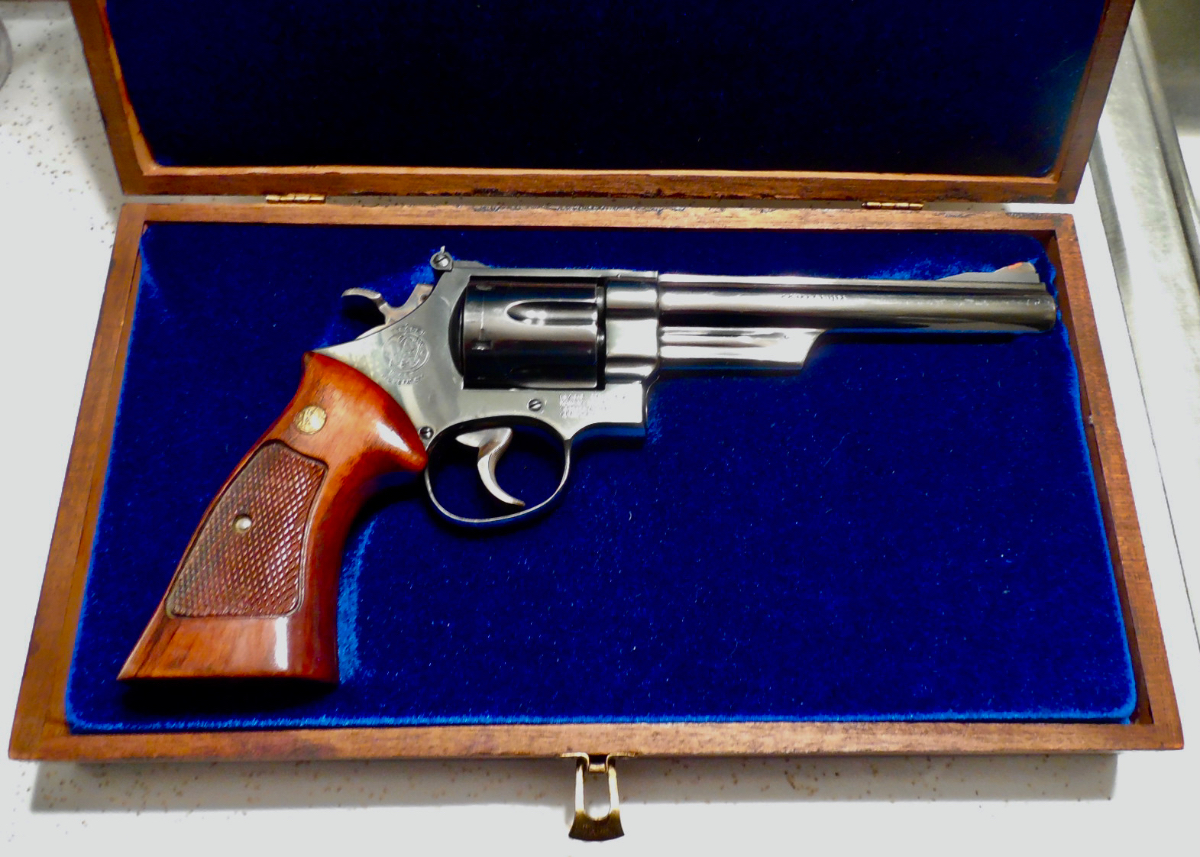
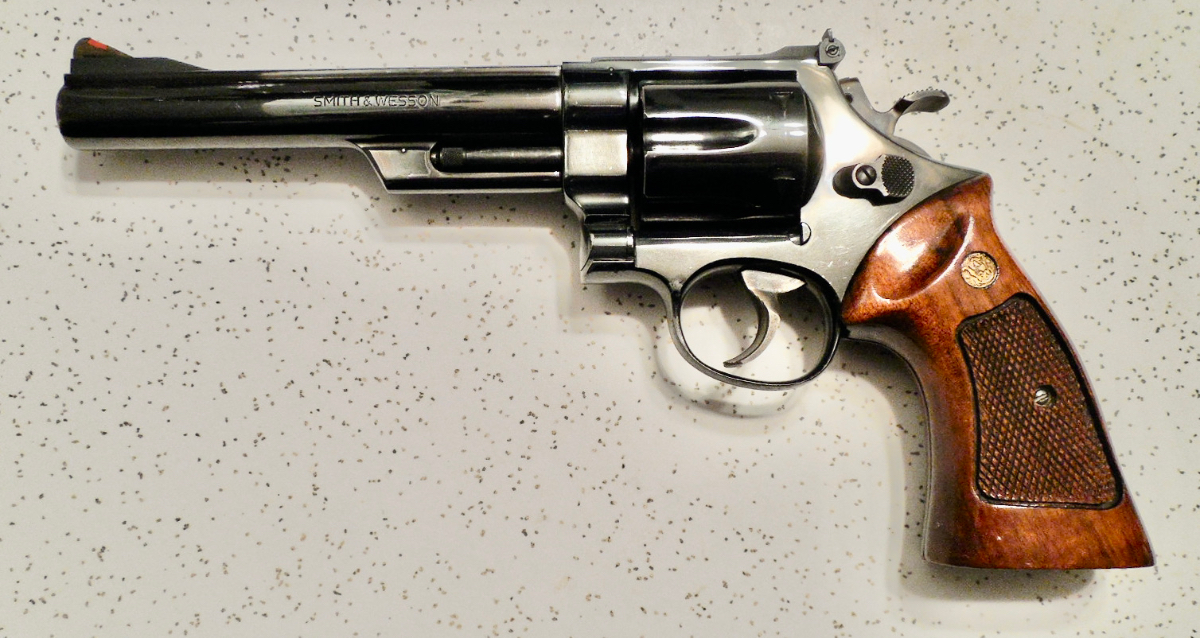
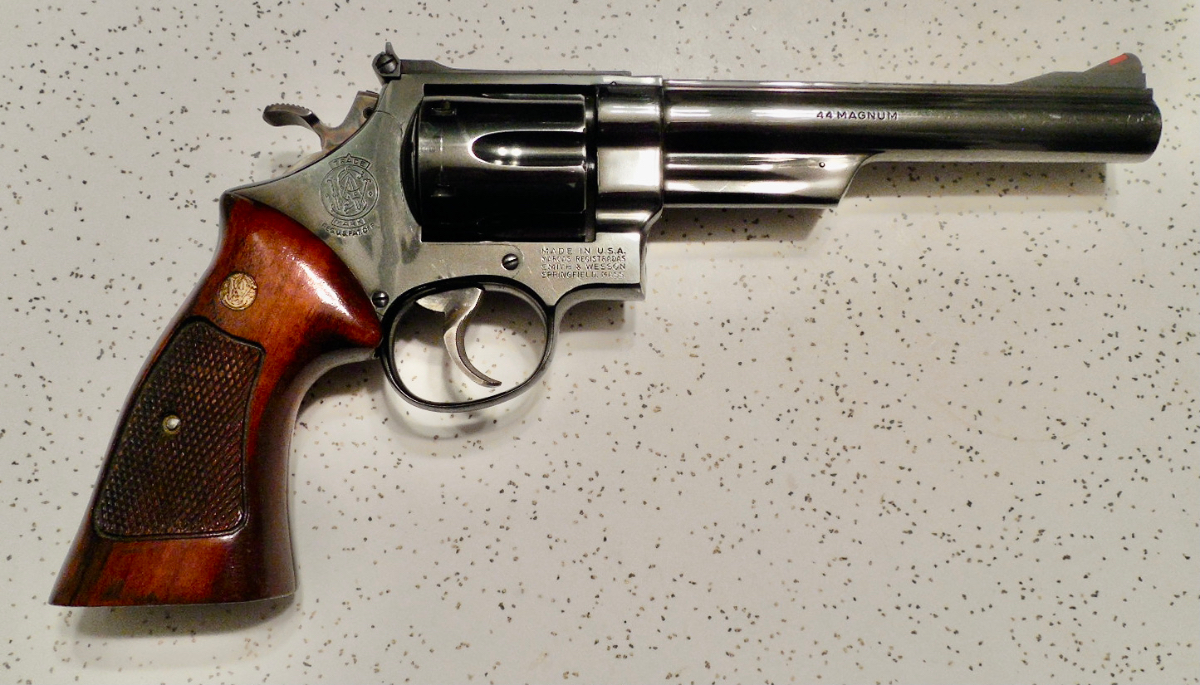
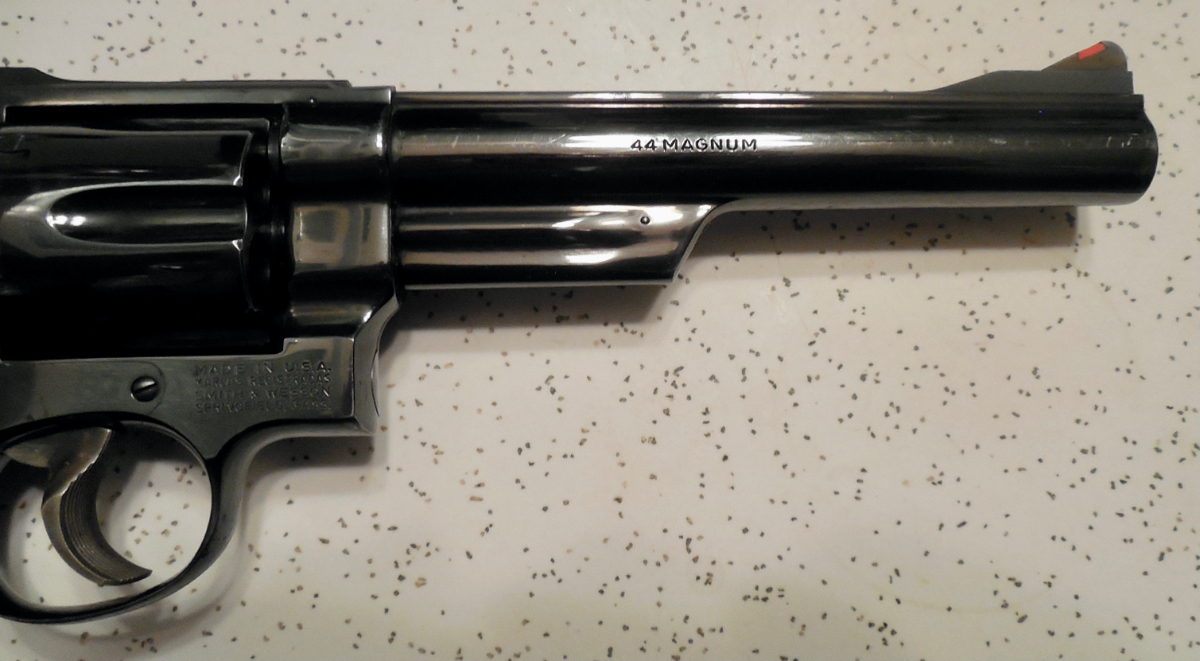
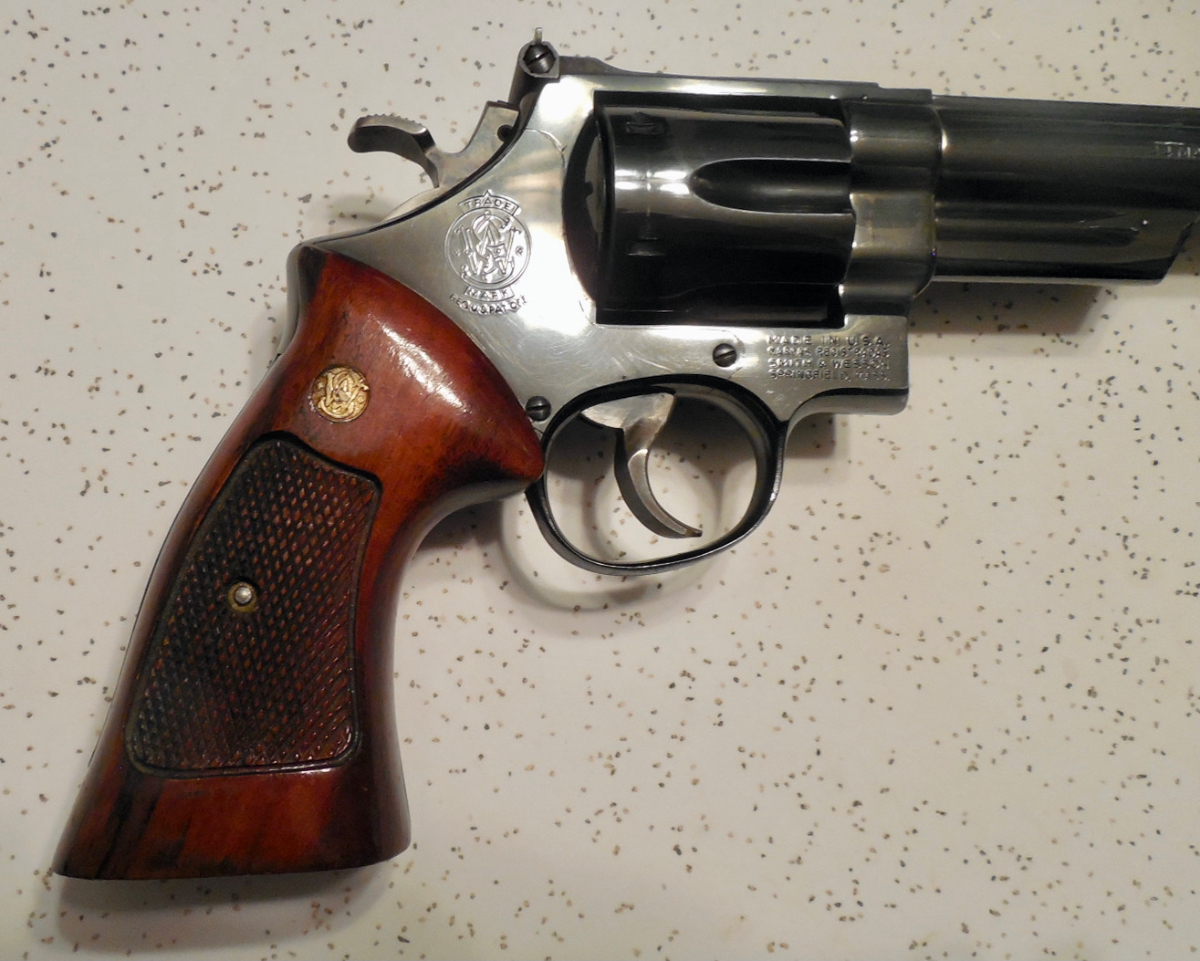
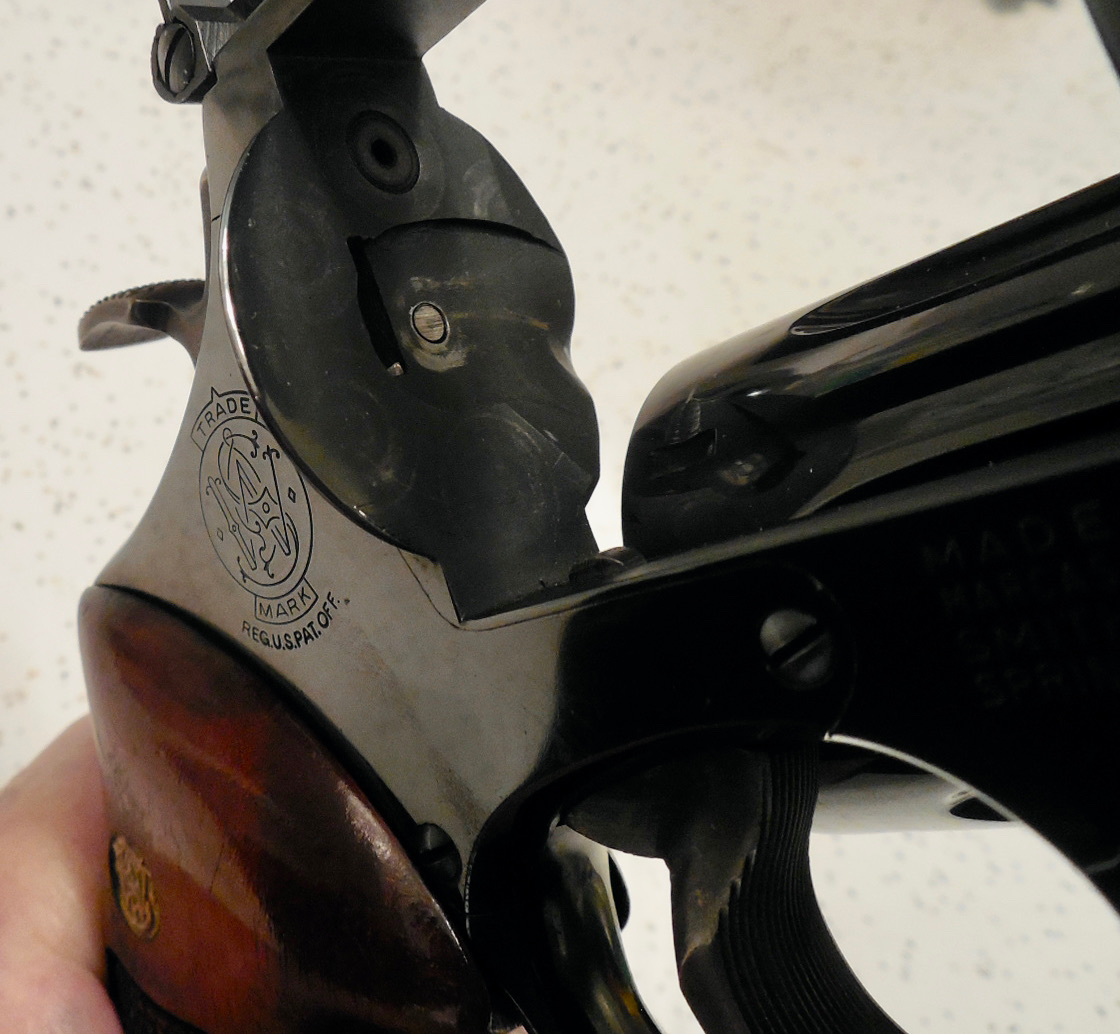
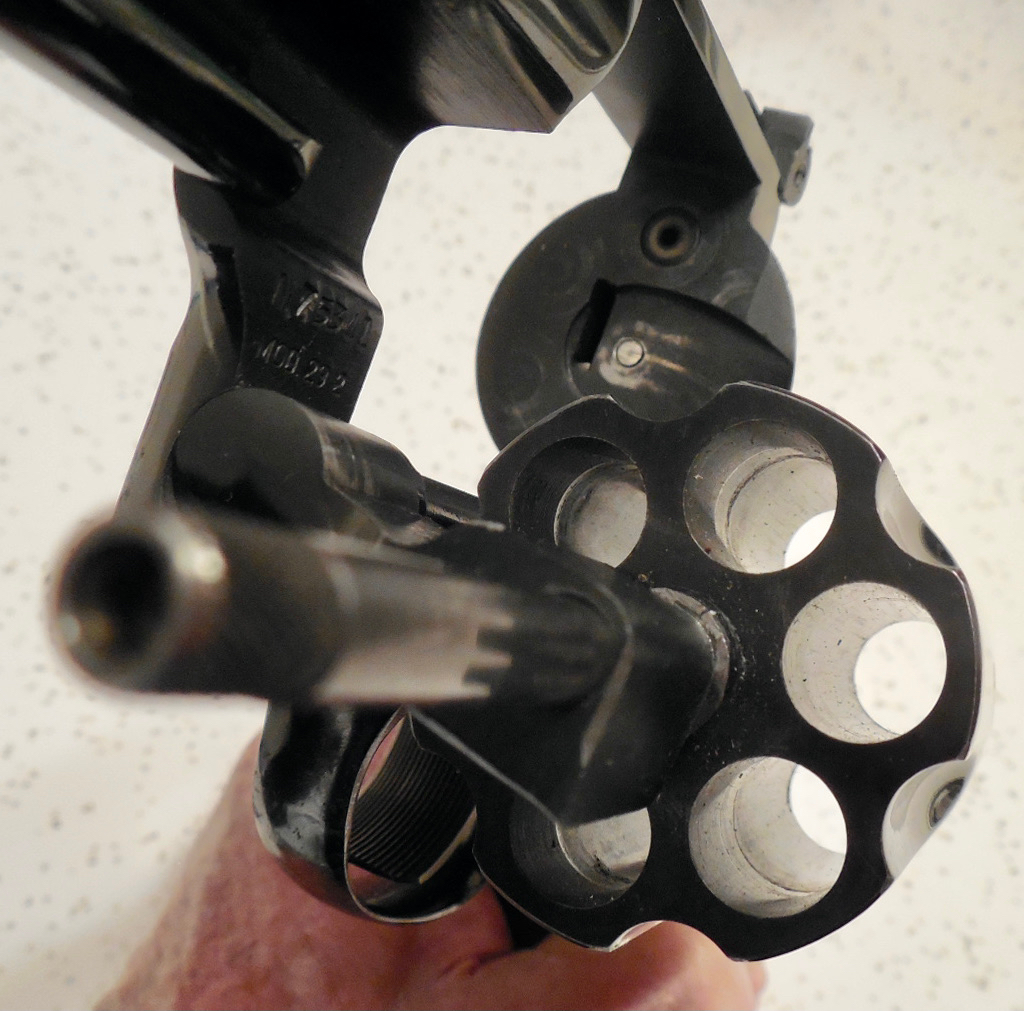
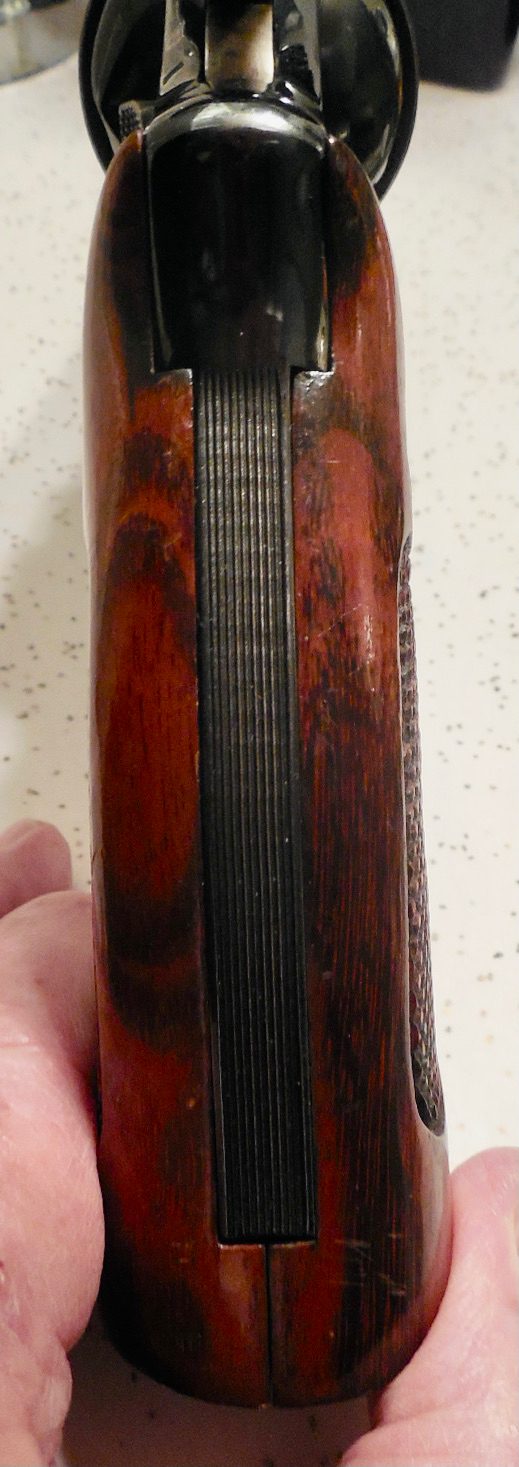
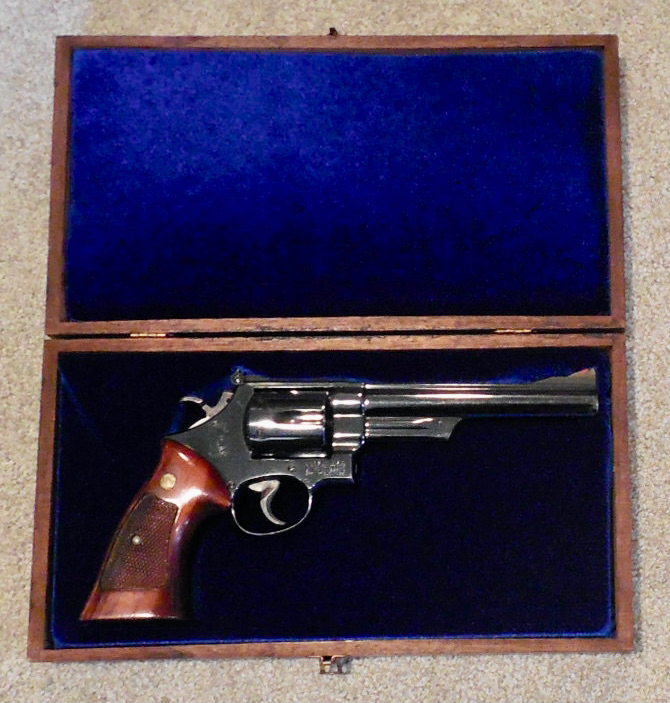
Gun: S&W .38/44 Heavy Duty Model of 1950
Caliber: .38 Spl./.38 Super Police/.38/44 High Velocity/.38/44 High Speed (Note: All Heavy Duty barrels were marked .38 Spl.)
Serial No: S897XX (Post War “S” prefix denotes hammer block safety)
Condition: 60 percent-NRA Good (Modern Gun Condition Standards)
Manufactured: 1953
Value: $450 to $570 (based on the recent auction price for the gun pictured)
Some guns particularly reflect the era in which they were made. That is certainly the case with the Smith & Wesson .38/44 Heavy Duty, a brawny handful of revolver based on the N-frame S&W 44 Spl. Hand Ejector Third Model (also known as the Model 1926), but fitted with a .38 Spl. cylinder and barrel.
This hard-shooting hybrid came about, indirectly, due to Prohibition, the resultant production of illicit whiskey, and the corresponding rise of organized crime. With the crash of the stock market in 1929 and the onset of the Great Depression, organized crime became even more rampant. As a result, law enforcement was finding its standard .38 Spl. revolvers, which fired a 158-grain, round-nose bullet with a muzzle velocity of 755 f.p.s., no match for mobsters or bandits wearing “bullet-proof” vests and driving steel-bodied cars. To answer the lawmen’s call for greater stopping power, S&W president Harold Wesson responded with what could be called the .38 Spl. +P of its day, a souped-up .38 Spl. that fired a 158-grain bullet with an increased muzzle velocity of 1175 f.p.s. and produced 460 feet-pounds. of energy at the muzzle, enough to punch through both sides of an automobile. Other .38/44 High Velocity bullet weights were soon commercially offered.
The .38/44 Heavy Duty was the only S&W revolver qualified to safely handle the new loads. It was introduced in 1930 with a fixed sight, 5-inch barrel, blued or nickeled finish, and walnut stocks, though 4- and 6½-inch barrel lengths were eventually offered. (A .38/44 Outdoorsman, sporting target sights and a 6½-inch barrel, was brought out in 1931.) Production of the .38/44 Heavy Duty was temporarily halted in 1941 and resumed in 1946. It became the Model of 1950 four years later, the Model 20 in 1957 and was finally discontinued in 1966, with a total post-war production of 20,604 revolvers.
The Heavy Duty Model of 1950 shown here was made in 1953 and features the post-war
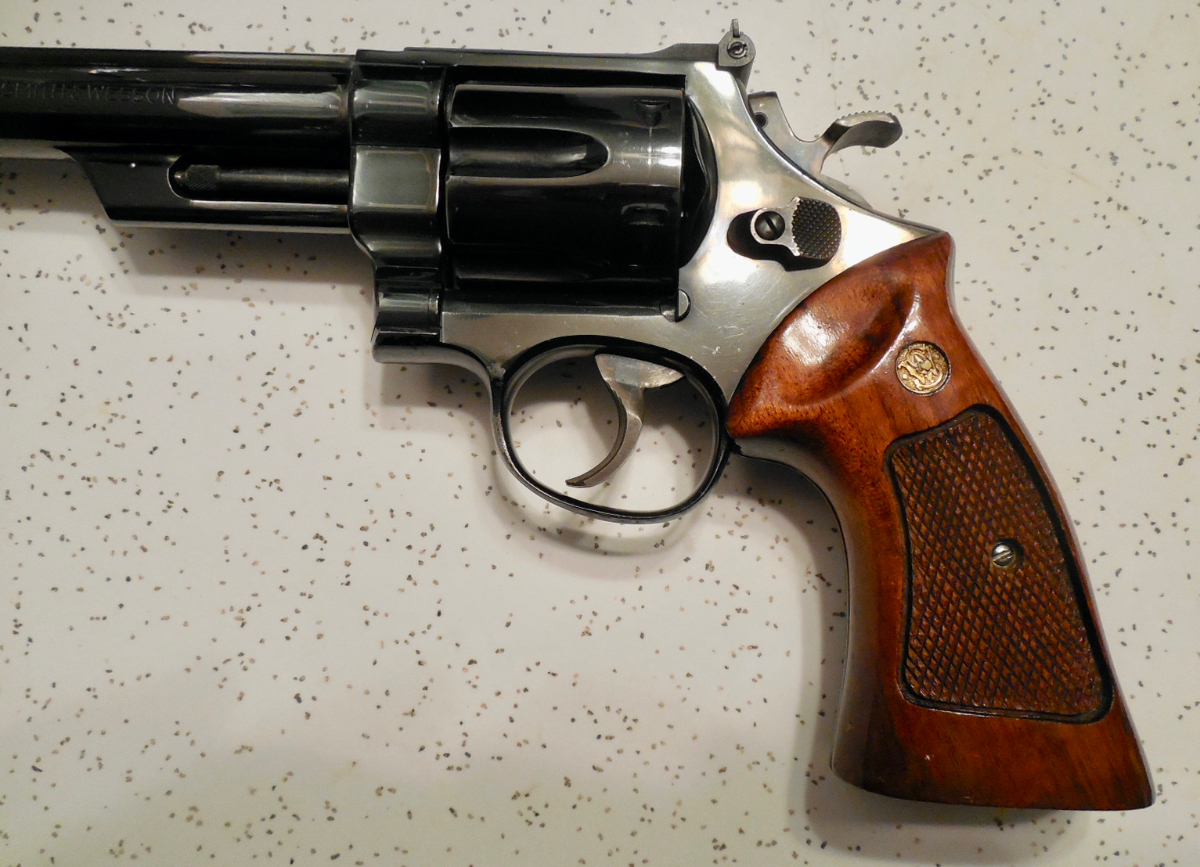
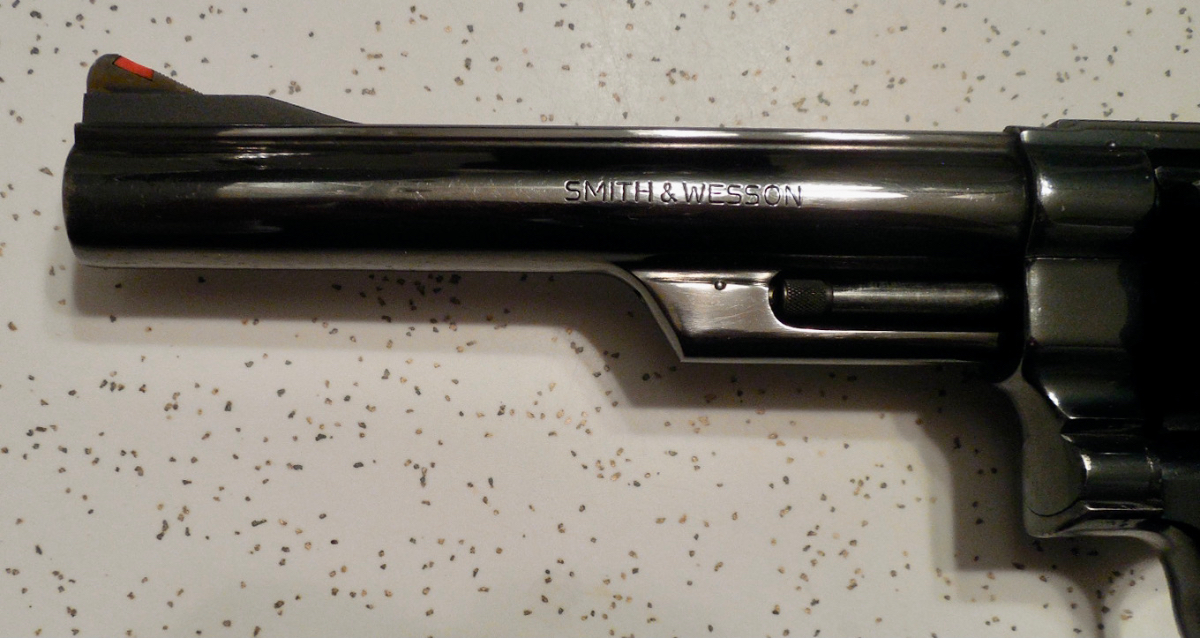
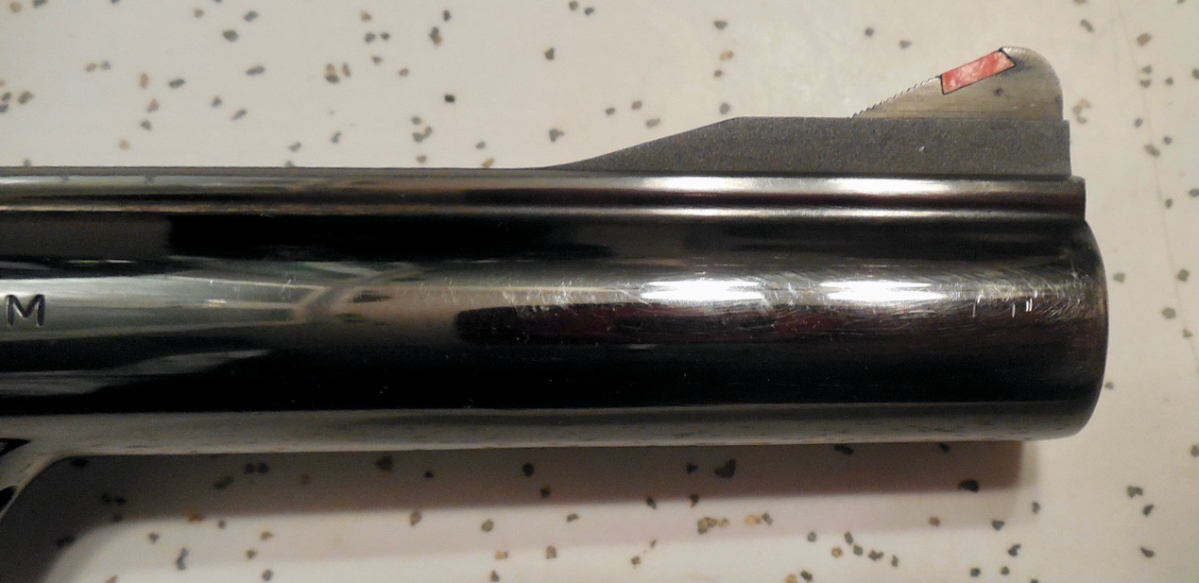
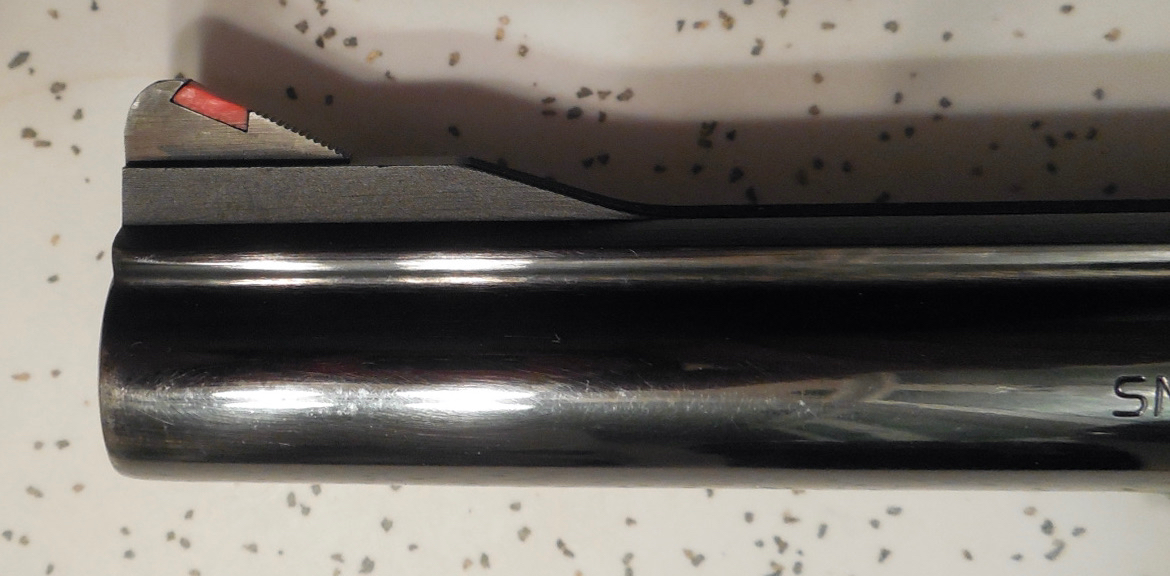
“S” prefix serial number. It sports a proper, tapered barrel in the less-frequently encountered 4-inch length. Although mechanically sound, the “plum”-colored cylinder is an indication of either a refinish or an imperfection in bluing the chrome-nickel cylinder. Nonetheless, in NRA Good condition, this gun sold for $570 at on-line auction house Lock, Stock & Barrel a few months ago. By comparison, a .38/44 Heavy Duty, circa 1935, with 5-inch barrel in NRA Very Good condition, sold for $711 in that same auction.
(I am so sorry to have traded mine away for a M1a. As it was the better gun)


Even to the most disinterested, the Winchester lever-action’s very profile is recognizable, making it a true icon of the American West. What is not generally known is that Winchester lever-actions were, in their day, cutting-edge military rifles. And they proved effective combat arms from the American Civil War through World War I, despite the fact that they were never awarded a large U.S. military contract.
The earlier Winchester lever-actions (the Models 1866, 1873 and 1876) shared the Henry rifle’s toggle bolt system but offered Nelson King’s patented loading gate on the receiver’s right. Although durable and dependable, the toggle bolt could not handle loads more powerful than handgun cartridges. That became a limiting factor as cartridges, particularly military rifle cartridges, became more powerful during the 1870s. Ultimately, Winchester would turn to arms designer John M. Browning to overcome that shortcoming.
The first lever-action to bear the Winchester name, the Model 1866, was an improved version of the Henry rifle. The Model 1860 Henry was state-of-the-art technology—possessing rapid fire capability and generous magazine capacity—when used by Union soldiers during the American Civil War.
Often, warfare was observed and evaluated by officers from non-combatant nations who would then take note of the strategies and equipment used. The Civil War was observed by most European nations, but France and the Ottoman Empire took particular note of the Henry, and its successor, the Winchester Model 1866.
France was so impressed that its navy considered adopting the Winchester Model 1866. Rifle trials were conducted on the French frigate Semiramis in 1868. A report praised the Model 1866’s ability to fire quickly. The French navy planned to take advantage of the guns’ capabilities by placing them with sailors in crow’s nests (Babies dans les hunes) so as to lay rapid fire down on the decks of enemy ships. In February 1870, recommendations were made to adopt the Model 1866, designated by the French as the “Carabine Henry – Winchester.” The Franco-Prussian War (July 1870 to May 1871) interrupted its possible adoption, but the need for rifles created an opportunity for Winchester.
Although France did not officially adopt the Winchester Model 1866, several thousand were purchased during the Franco-Prussian War in a mad scramble to gather arms. France purchased 3,000 Model 1866 rifles with 16-round-capacity magazines and 3,000 with 13-round magazines; included with the purchase were 4.5 million rounds of .44 Henry ammunition. These were distributed to various units, including combat troops, and were the only foreign rifles to be retained for an extended period of time after the war. The Model 1866 became the standard rifle for the 630 gendarmes of the Corsican 17th Legion.
The Model 1866 was also purchased by the Ottoman Empire and used against the Imperial Russian Army in the Russo-Turkish War (1877 to 1878). The Ottomans purchased 45,000 muskets and 5,000 carbines in 1870 and 1871. A portion of those was used in 1877, during the Siege of Plevna. The Russian army suffered tremendous losses when it attacked the Ottomans, in part due to the use of the Winchester rifles.
Imperial Russia took note and began a search for a repeating rifle, which resulted in the development and adoption of the Mosin-Nagant years later. Still, the repeating firepower of the Winchester lever-action did not spur large military purchases, as Winchester lever-actions were more costly than single-shot and bolt-action rifles.
During the 1870s, single-shot breechloaders firing powerful cartridges dominated the military rifle market. That was demonstrated by the large quantity of single-shot Rolling Block rifles sold by the Remington Arms Co. around the world. The concept of a medium-powered cartridge being fired rapidly from a rifle with a large magazine was not embraced by most military leaders. Their belief was that common soldiers would waste ammunition if given repeating rifles and that Winchester repeating rifles were not robust enough and too complicated for military service. Even so, Winchester continued to develop the lever-action repeater with the designs of John Browning.
In keeping with the function of Winchester’s lever-actions, Browning designed a new action that was much stronger but retained the under-receiver lever and handling qualities that were hallmarks of earlier Winchesters. The new approach used vertical bolts that gave the new models the ability to fire more powerful cartridges.
The first Browning-designed lever-action was the Model 1886, followed by a smaller, lighter version, the Model 1892. The Model 1886 could handle the .45-70 Gov’t cartridge adopted by the U.S. Army, as well as similarly powerful chamberings. The Model 1892 was better-suited for revolver and lighter rifle cartridges. Even so, the introduction of smokeless powder in the 1880s made these blackpowder models virtually obsolete. Again, John Browning provided a solution.
With the advent of smokeless powder, Winchester offered the Browning-designed Models 1894 and 1895. The stronger receivers could handle the higher chamber pressures of smokeless powder. The Model 1895 was specifically designed with martial applications in mind. The receiver was made to handle military cartridges, and a box magazine was incorporated instead of the traditional tubular magazine. The gun was evaluated in 1895 at the New York National Guard rifle trials. Although the trials did not result in adoption, a number of rifles chambered in .30-40 Krag were purchased a few years later by the U.S. War Dept. for use in the Spanish-American War. Still, military acceptance and large orders of lever-action rifles would elude Winchester until the advent of the First World War.
The realities of World War I brought about a change of heart toward Winchester’s lever-actions.The Allies’ extreme shortages encouraged the purchase of large quantities of rifles from American manufacturers. Great Britain, France and Imperial Russia purchased Winchester lever-actions for frontline and secondary use. Many were “off the shelf” models, which included the Models 1886, 1892 and 1894. Some were ordered with specialized requirements. Contracts were signed for modified Model 1894 and Model 1895 rifles. The size of the purchases varied; the Model 1886 was the least-procured, while the Model 1895 accounted for the greatest numbers sold.
Great Britain
Great Britain purchased three different Winchester lever-action models: the Model 1886, Model 1892 and Model 1894. The first wartime purchase, by the Royal Flying Corps, was for fewer than 50 Model 1886 Winchesters chambered in .45-90 Win. Special cartridges were developed with incendiary bullets designed to ignite the hydrogen gas in German airships and balloons. The rifles allowed the Royal Flying Corps to counter this airborne threat while they were developing more effective arms.
To allow all standard-issue Lee-Enfield rifles to be available for the front, Winchester repeaters were also purchased by the Royal Navy, and they were used shipboard for guard duty and mine clearing, the details of which are unknown. The Royal Navy acquired 20,000 Model 1892 rifles in .44-40 Win. and approximately 5,000 Model 1894 carbines in .30 WCF (.30-30 Win.). Those Winchesters, along with some Remington Rolling Block rifles, were replaced in 1915.
France
In order to prioritize issue of the standard infantry rifle—the Model 1886 Lebel—to frontline troops, France turned to obsolete Gras Model 1874 rifles for service and support soldiers. Almost immediately, the French embarked on a program to convert blackpowder Gras rifles to the smokeless 8 mm Lebel cartridge. The conversion proved difficult, and progress was slow. Unable to produce enough standard-issue Lebel rifles or convert enough Gras rifles, France contracted with Winchester and Remington to arm rear-echelon soldiers. Remington was contracted for a modified version of its Rolling Block rifle, while Winchester received a contract for 15,100 Model 1894 carbines.
The contract required the addition of metric graduations to Winchester’s No.44A rear sight and the addition of sling swivels on the left side of the buttstock and barrel band. The sling swivels were specifically required so that the carbine could be carried en bandoulière (the French term for carrying a carbine across the back). These added features were unique to the French contract. The carbines were issued to motorcycle couriers, artillery troops and transport units. Model 1894s also found their way to balloon units, and some may have been used by airmen in their aircraft.
After the war, the French Winchester Model 1894s were sold by the French government to unknown buyers. Some bear Belgian proofmarks, as they were transferred through Belgium. The Belgian proofs have led many to incorrectly assume that those guns were purchased by the Belgian Congo.
Imperial Russia
Imperial Russia helped Winchester realize its largest military sales since the introduction of the lever-action rifle. A total of 300,000 Model 1895 rifles were ordered in two contracts, one in 1914 and another in 1915.
Known as the “Russian Musket,” this Model 1895 variant was adapted to fire the Russian rimmed 7.62×54 mm Model 1908 cartridge. The contracts required the addition of a bayonet lug and stripper-clip guides mounted on the receiver. The rifle had to accept the standard Russian Mosin-Nagant stripper clip and the rear sight needed to be graduated in Russian arshins. Those features made the Model 1895 the equal of any rifle on the battlefield. It saw the most use with frontline fighting units, and was issued to units formed in Russia’s western provinces of Finland, Poland and Latvia. Period photographs show large military formations of Imperial soldiers holding Model 1895 Russian Muskets. The surviving Model 1895 rifles were put in storage after the Russian Civil War.
The Spanish Civil War (1936-1939) and consequent arms embargo gave Joseph Stalin the opportunity to sell tons of arms, including obsolete rifles, in exchange for Spanish gold. The Model 1895 rifles were sold for many times over their original purchase price. The Russians shipped 9,000 Model 1895 rifles in 7.62×54 mm R on Oct. 25, 1936, to the Spanish Republicans. Another shipment of 9,000 Winchester rifles (various models and calibers) had been shipped days earlier.
Comparatively few Model 1895 Russian Muskets are found today. The few in collections typically exhibit heavy usage and often bear Spanish arsenal markings and signs of arsenal refinish.
The lever-action proved itself a worthy combat rifle from its first use in the American Civil War through to World War I. In every instance the results were more than satisfactory.
Period photographs courtesy of Commandant Philippe François, John Adams-Graf and Christophe Larribère